


Australia’s regulator has banned the use of dimethoate, a common pesticide for blueberries, raspberries, and blackberries.

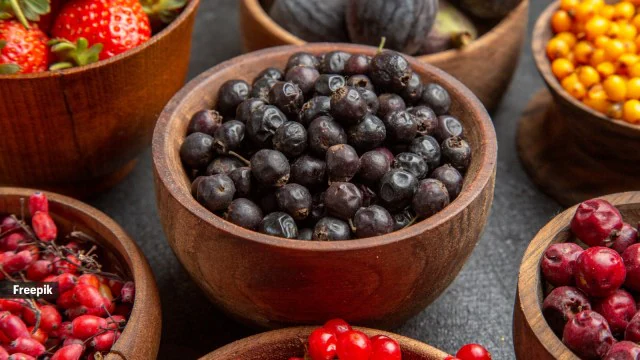
Australia’s regulator has suspended the use of dimethoate, a common pesticide applied to blueberries, raspberries, and blackberries. However, this year-long suspension is not due to any new safety concerns about the pesticide itself. According to the Australian Pesticides and Veterinary Medicines Authority (APVMA), the decision is driven by increased berry consumption, which raises potential exposure levels—particularly for children aged two to six, who may be at greater risk of exceeding the maximum residue limits. Here’s what you need to know about dimethoate and whether berries remain safe to eat.
What is dimethoate?
Dimethoate is a pesticide that has been in use in Australia since 1956. It belongs to a class of chemicals that inhibit the enzyme acetylcholinesterase. By preventing the breakdown of a critical neurotransmitter, it disrupts an insect’s nervous system, ultimately killing it. Humans and other mammals also have acetylcholinesterase, meaning exposure to this class of pesticides can be harmful.
As a result, careful regulation is required both in how dimethoate is applied and in monitoring residue levels on food, to ensure humans are not exposed to unsafe amounts. The maximum permissible residue depends on both the level of residue on the food and the amount of that food typically consumed. Estimating safe exposure requires data on both residue levels and dietary intake.


