


The state government is preparing to carry out a new, citywide assessment to pinpoint areas in Kolkata where groundwater levels are dropping sharply and are considered high-risk.

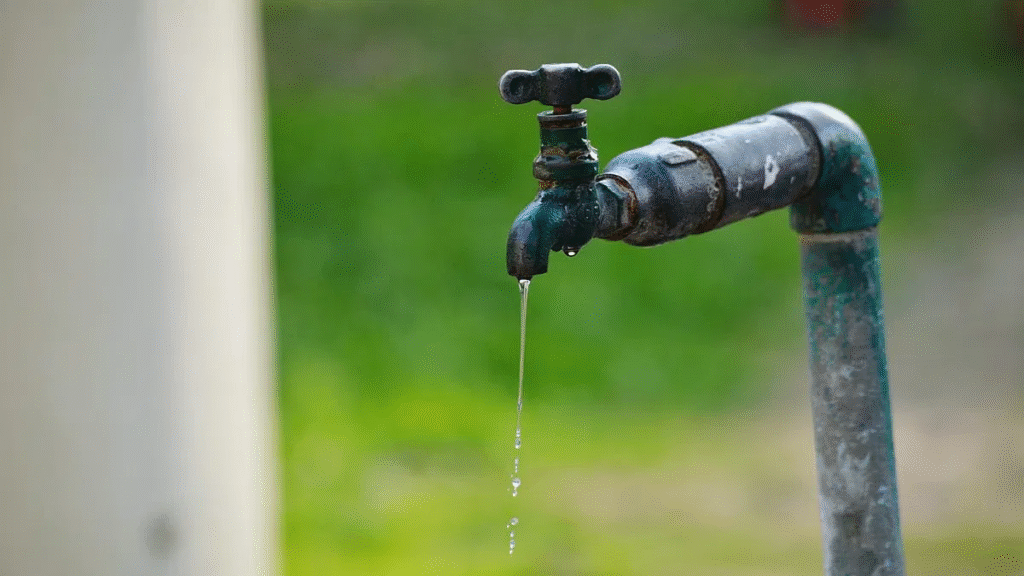
The state government is preparing to launch a new, citywide assessment to determine how much groundwater is being used across different parts of Kolkata—and to pinpoint areas where water levels are dropping to critical lows. Officials from the Water Resources Investigation and Development Department said earlier datasets are no longer reliable, prompting the need for a fresh study under the West Bengal Ground Water Resources (Management and Control) Act, 2005.
Even though Kolkata’s piped water network has expanded, many residential complexes, small establishments, educational institutions, and construction sites continue to rely heavily on pumps. Several neighbourhoods still use tube wells as well. To identify regions where groundwater extraction is manageable and areas where it has reached dangerous levels, officials say a new survey is crucial. Experts also note that with many cities nationwide struggling with severe water stress due to population growth and climate change, this move is especially significant for Kolkata.
Over the past few years, numerous housing developments have been constructed in Mukundapur and Anandapur near the EM Bypass. Reports suggest old tube wells are used during construction, followed by installation of high-capacity pumps to draw water. While groundwater use is relatively lower in North and Central Kolkata for small businesses and construction, increasing population in newly added municipal zones has put additional pressure on the water table. The upcoming survey will measure current groundwater extraction at each site, verify tube well locations, and examine groundwater level fluctuations over the last five years. Based on the findings, the government will draft updated guidelines for groundwater usage in residential, commercial, industrial, and other sectors.
In several pockets of the city, groundwater levels are depleting faster than expected. According to Tarit Raychaudhuri, professor of environmental science at Jadavpur University, Kolkata is drawing far more groundwater than aquifers receive through rainfall recharge. This study will help the government identify areas where strict limits are needed. As the water table sinks, concentrations of arsenic and fluoride rise. Many people consume inadequately filtered groundwater, increasing the risk of waterborne diseases. Raychaudhuri stressed that halting the decline in groundwater levels is essential to prevent such health issues. Environmental scientist Abhijit Chattopadhyay added that continuous construction and violations of building norms are disrupting the city’s natural water cycle. Without mandatory alternative water solutions—such as rainwater harvesting or recycling—experts warn the situation could worsen drastically within a decade.
Once completed, the survey will clearly highlight the locations where groundwater extraction must be controlled and where alternative sources need to be encouraged, say officials from the Water Resources Investigation and Development Department. The findings will be central to creating a long-term water conservation strategy for the city. Swapan Samaddar, Kolkata Municipal Corporation’s Mayor-in-Council (Environment), said that awareness campaigns to curb water wastage are ongoing, and the civic body will make every effort to implement the survey’s recommendations.


